

Businesses today rely heavily on internal systems to manage data, workflows, and decision-making. As teams grow, handling internal operations manually becomes slow and inefficient. This is where internal tools deepen AI comes in. It focuses on improving internal processes by using artificial intelligence in a practical and controlled way.
Unlike public AI tools designed for general users, internal tools deepen AI is built for internal teams. It helps organizations analyze data, automate routine tasks, and support employees with smarter tools without exposing sensitive information.
In this guide, you’ll learn what internal tools deepen AI is, how it works, its key features, real use cases, benefits, limitations, and how businesses can use it effectively.
What Is Internal Tools Deepen AI?
Internal tools deepen AI refers to AI-powered systems designed specifically for internal business operations. These tools are not customer-facing. Instead, they support employees, analysts, managers, and developers by making internal work faster and more accurate.
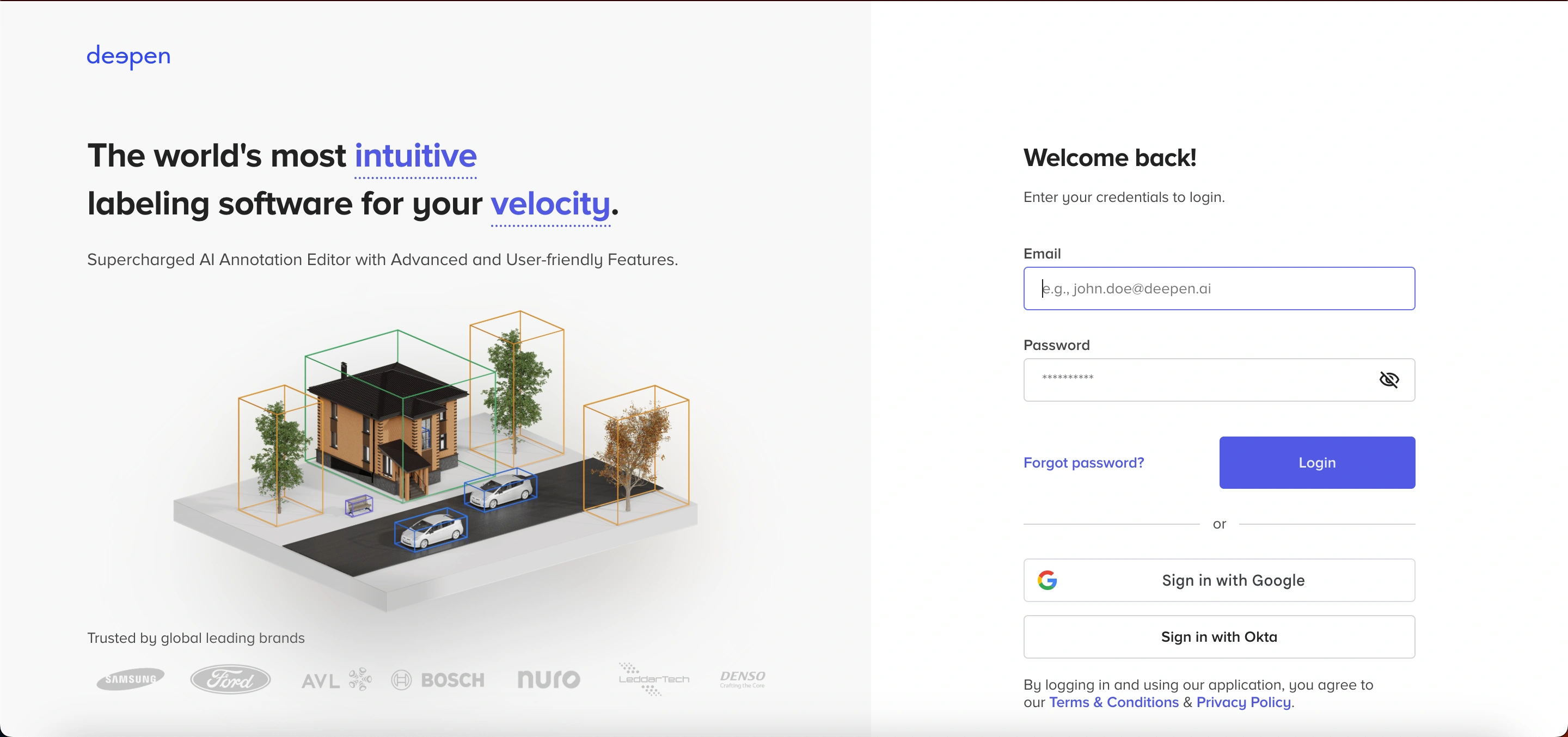 Deepen AI focuses on understanding internal data such as reports, documents, logs, and workflows. It helps teams extract insights, automate repetitive tasks, and make better decisions using AI models trained on company-specific information.
Because these tools operate internally, they are usually more secure and customizable than public AI platforms.
Why Internal AI Tools Matter for Businesses
Internal teams often deal with large volumes of data every day. This includes emails, dashboards, support tickets, documentation, and system logs. Managing all this manually can slow down productivity.
Internal tools deepen AI helps solve these problems by:
Reducing manual work
Improving accuracy in data analysis
Saving time for teams
Supporting better internal decisions
Instead of replacing employees, these tools act as assistants that help teams work more efficiently.
How Internal Tools Deepen AI Works
Internal tools deepen AI typically connects to a company’s internal systems such as databases, dashboards, document storage, and task management platforms.
Here’s a simple breakdown of how it works:
Data Access The tool securely accesses internal data sources.
AI Processing AI models analyze text, numbers, or patterns.
Insights & Automation The system provides summaries, alerts, or automates tasks.
Human Control Employees review, adjust, and approve outputs.
This structure ensures AI supports teams without making uncontrolled decisions.
Key Features
1. Internal Data Analysis
Internal tools deepen AI can analyze company-specific data such as reports, logs, or internal documents. This helps teams quickly understand trends and issues.
2. Task Automation
Routine internal tasks like report generation, data tagging, or basic analysis can be automated, saving time for employees.
3. Smart Search and Summaries
Employees can search internal documents using natural language and receive summarized results instead of reading long files.
4. Workflow Support
The tool can assist with internal workflows by suggesting next steps, highlighting missing data, or organizing tasks.
5. Secure Data Handling
Since it is an internal system, access controls and permissions are usually applied to protect sensitive information.
6. Custom Integration
Internal tools deepen AI can integrate with existing internal platforms such as CRMs, project tools, or databases.
Read Also: Remove ZMO AI: Complete Guide, Features & Best Tools
Use Cases
1. Internal Reporting
Teams can use internal tools deepen AI to generate summaries of weekly or monthly reports without manual effort.
2. Business Intelligence Support
Analysts can ask questions in plain language and get insights from internal data sources.
3. Employee Knowledge Base
AI can help employees find answers from internal documentation faster.
4. Operations Monitoring
The tool can review system logs or operational data to flag unusual patterns.
5. Product Development Support
Development teams can analyze internal feedback, bug reports, and testing notes more efficiently.
Who Can Benefit from Internal Tools Deepen AI?
Internal tools deepen AI is useful for many roles, including:
Operations teams
Data analysts
Product managers
HR teams
IT and engineering teams
Business leadership
Any team that works with internal data or processes can benefit from AI support.
Benefits
1. Improved Productivity
By automating repetitive work, teams can focus on higher-value tasks.
2. Better Decision-Making
AI-driven insights help managers make informed decisions based on real data.
3. Consistent Internal Processes
Standardized AI workflows reduce errors caused by manual handling.
4. Time Savings
Quick summaries and automated analysis reduce time spent on routine tasks.
5. Controlled AI Usage
Since it’s internal, businesses can define clear rules for how AI is used.
Types of Internal Tools Deepen AI
Internal tools deepen AI come in different types, each designed to serve specific internal business needs. Understanding these types helps organizations choose the right tools for their teams. Here are the main categories:
1. Reporting and Analytics Tools
These tools focus on analyzing internal data and generating reports automatically. Instead of spending hours preparing spreadsheets, employees can get quick summaries, trend insights, and visual dashboards.
Use Case
A sales team can quickly see weekly performance metrics without manually compiling data from multiple sources.
2. Workflow Automation Tools
Workflow automation tools help internal teams automate repetitive tasks, such as sending reminders, updating databases, or assigning tickets. By doing so, employees can focus on more strategic work.
Use Case
An HR team can automatically track employee onboarding progress and notify managers of pending tasks.
3. Knowledge Management Tools
These AI tools help employees find and access internal documents, guidelines, and manuals quickly. They can summarize long documents or answer questions using internal knowledge bases.
Use Case
Customer support teams can quickly search internal policies to resolve tickets faster.
4. Data Extraction and Processing Tools
These tools extract relevant information from large internal datasets and structure it in a way that’s easy to analyze. They can handle logs, spreadsheets, or text documents efficiently.
Use Case
Product teams can analyze internal feedback forms and bug reports without manually reviewing hundreds of entries.
5. Decision Support Tools
Decision support tools assist managers and teams by providing insights and recommendations based on internal data. They do not make final decisions but help guide better choices.
Use Case
Operations teams can receive alerts about potential bottlenecks in supply chain processes.
6. Collaboration and Communication Tools
Some internal AI tools enhance team communication and collaboration. They can summarize meeting notes, track task progress, or suggest action items for ongoing projects.
Use Case
Project managers can use AI to create concise meeting summaries and distribute them to team members automatically.
Internal Tools Deepen AI vs Public AI Tools
Feature | Internal Tools Deepen AI | Public AI Tools |
|---|---|---|
Data Access | Internal company data | General public data |
Security | High, controlled access | Limited control |
Customization | High | Low |
Use Case | Internal operations | General tasks |
This comparison shows why internal tools deepen AI is better suited for business operations.
Best Practices for Using Internal Tools Deepen AI
Start with small use cases
Ensure data accuracy
Set clear access controls
Review AI outputs regularly
Train employees on proper usage
Following these practices helps businesses get reliable results.
Compliance and Responsible AI Use
Businesses using internal tools deepen AI should ensure compliance with data protection policies and internal governance rules. AI outputs should be transparent, explainable, and reviewed by humans when needed.
Responsible usage builds trust among employees and stakeholders.
Pros and Cons
Pros | Cons |
|---|---|
Improves internal workflow efficiency | Requires proper setup and integration |
Helps analyze internal data quickly | Depends on data quality for accuracy |
Reduces manual and repetitive tasks | Initial training may be needed for teams |
Keeps sensitive business data internal | Not designed for public-facing use |
Supports better internal decision-making | AI outputs still need human review |
Customizable to fit business processes | Maintenance may require technical support |
Saves time on reporting and analysis | Limited value without clear use cases |
Future of Internal AI Tools
Internal AI tools will continue to improve in areas such as accuracy, usability, and integration. However, their success will depend on how well businesses align AI with real internal needs.
Internal tools deepen AI represents a practical step toward smarter internal systems without unnecessary complexity.
Final Thoughts
Internal tools deepen AI is designed to support internal teams by improving efficiency, accuracy, and workflow management. It focuses on real business needs rather than general AI features.
By using AI responsibly and keeping humans in control, organizations can improve internal operations without risking data security or reliability. For companies looking to optimize internal work processes, internal tools deepen AI provides a practical and scalable solution.
Frequently Asked Questions (FAQs)
What is internal tools deepen AI?
Internal tools deepen AI refers to AI-powered systems designed to support internal business tasks such as data analysis, reporting, and workflow automation.
Who should use internal tools deepen AI?
It is best for internal teams like operations, data analysts, product managers, HR teams, and business leaders who work with company data and processes.
Is internal tools deepen AI a public AI tool?
No, internal tools deepen AI is built for internal use only. It works with private company data and is not meant for customer-facing or public tasks.
What problems does internal tools deepen AI solve?
It helps reduce manual work, improves internal data analysis, speeds up reporting, and supports better decision-making within organizations.
Is internal data safe with internal tools deepen AI?
Yes, these tools are designed to keep data within the organization and usually include access controls and permission settings.